TYPE 9
THEPEACEMAKER
THEPEACEMAKER
Calm in spirit. Drawn toward harmony. Steady in the search for inner peace.
Overview
Type Nine moves through the world with a gentle steadiness. They sense the emotional currents
around them and instinctively work to keep things calm, balanced, and connected. Nines want to
avoid unnecessary conflict and create environments where people feel understood and at ease. At
their core, they long for inner peace. They want to feel settled within themselves and confident
that their presence matters.
Many Nines grew up in settings where blending in brought stability. They learned early that staying agreeable or quiet helped maintain harmony. Over time, these early lessons shaped their internal landscape. They became people who listen deeply, who soothe tension before it escalates, and who can sense the needs of others with remarkable clarity. Their presence alone can soften a room and bring relief.
This orientation gives Nines a natural openness. They absorb perspectives easily, often seeing validity in multiple viewpoints. They create space where others feel accepted and unpressured. Their energy brings comfort. Their patience builds trust. Their calm allows others to breathe a little easier.
Yet beneath this peaceful exterior often rests a quieter struggle. Nines may lose connection with their own desires. They may defer to others so often that they forget their own preferences, opinions, or needs. They want to avoid the discomfort of conflict or tension, but this avoidance can gradually distance them from their own sense of direction. Beneath their calm, they may carry a longing to be seen without disappearing into the background.
What makes Type Nine remarkable is not only their serenity, but the sincerity behind it. Their desire for harmony grows from a deep wish for everyone to feel safe and valued. When their calm meets clarity, they become wise mediators, grounded companions, and steady guides who help others find balance and understanding. Their presence brings peace, and their voice, when claimed, carries quiet strength.
Many Nines grew up in settings where blending in brought stability. They learned early that staying agreeable or quiet helped maintain harmony. Over time, these early lessons shaped their internal landscape. They became people who listen deeply, who soothe tension before it escalates, and who can sense the needs of others with remarkable clarity. Their presence alone can soften a room and bring relief.
This orientation gives Nines a natural openness. They absorb perspectives easily, often seeing validity in multiple viewpoints. They create space where others feel accepted and unpressured. Their energy brings comfort. Their patience builds trust. Their calm allows others to breathe a little easier.
Yet beneath this peaceful exterior often rests a quieter struggle. Nines may lose connection with their own desires. They may defer to others so often that they forget their own preferences, opinions, or needs. They want to avoid the discomfort of conflict or tension, but this avoidance can gradually distance them from their own sense of direction. Beneath their calm, they may carry a longing to be seen without disappearing into the background.
What makes Type Nine remarkable is not only their serenity, but the sincerity behind it. Their desire for harmony grows from a deep wish for everyone to feel safe and valued. When their calm meets clarity, they become wise mediators, grounded companions, and steady guides who help others find balance and understanding. Their presence brings peace, and their voice, when claimed, carries quiet strength.
Core Motivation
At the center of Type Nine’s inner world is a longing for peace. They want to feel grounded,
connected, and free from the tension that comes from internal or external conflict. Their desire
is not simply for comfort. It is for a sense of inner wholeness, a feeling that they belong in
their own life without needing to shrink or disappear.
Underlying Longing
To feel fully settled inside.To trust that their presence carries weight and that their voice
matters.
Core Fear
Losing connection through conflict or tension.Being overlooked, dismissed, or absorbed into the
priorities of others.
Internal Message Often Carried
You are safe when you stay easy.
This message forms early. It once helped them navigate environments where harmony felt fragile or where asserting themselves brought discomfort. Staying agreeable maintained stability. Staying quiet reduced tension. Going along with others created a sense of belonging.
As they grow, Nines begin to understand that peace is not created through avoidance. It emerges when they include themselves in the conversation. It strengthens through honesty and engagement. Their deepest growth appears when they recognize that numbing their desires leads to disconnection, not harmony.
When this truth settles in, a new form of presence appears. Their voice becomes clearer. Their boundaries become firmer. Their relationships become more mutual. The fog lifts. The heart awakens. Their calm becomes rooted in authenticity rather than self-erasure.
This message forms early. It once helped them navigate environments where harmony felt fragile or where asserting themselves brought discomfort. Staying agreeable maintained stability. Staying quiet reduced tension. Going along with others created a sense of belonging.
As they grow, Nines begin to understand that peace is not created through avoidance. It emerges when they include themselves in the conversation. It strengthens through honesty and engagement. Their deepest growth appears when they recognize that numbing their desires leads to disconnection, not harmony.
When this truth settles in, a new form of presence appears. Their voice becomes clearer. Their boundaries become firmer. Their relationships become more mutual. The fog lifts. The heart awakens. Their calm becomes rooted in authenticity rather than self-erasure.
Strengths and Challenges
Every Type Nine carries a natural orientation toward harmony, steadiness, and understanding.
Their presence brings calm to tense situations and comfort to the people they love. Their
challenges arise from the same instinctive desire to keep peace, often leading them to diminish
their own needs.
Strengths
- Deep patience and emotional steadiness
- Ability to see multiple perspectives with empathy
- Calm presence that soothes conflict
- Strong capacity for listening and understanding
- Loyalty that creates safety in relationships
- Adaptability in changing environments
- Gentle wisdom grounded in acceptance
Challenges
- Difficulty asserting their needs or preferences
- Tendency to avoid conflict even when clarity is needed
- Disconnection from personal desires or direction
- Procrastination or inertia when tasks feel overwhelming
- Minimizing their own emotions to maintain peace
- Going along with others to keep harmony at the cost of authenticity
- Retreating into comfort or routine instead of engaging
Strengths in Depth
Type Nine offers a quiet strength that is often misunderstood. They bring an unparalleled
capacity to remain steady in emotional storms. Their calm does not come from indifference. It
comes from a deep desire for connection. They listen with sincerity, absorbing the feelings and
perspectives of others without judgment. This makes people feel safe, understood, and valued.
Nines excel at sensing the emotional atmosphere around them. They know when someone needs gentleness, when silence is healing, or when reassurance will soften a tense moment. Their ability to hold multiple viewpoints helps them mediate, reconcile, and guide groups toward unity.
Their patience is a gift. They rarely rush others. They rarely escalate conflict. They rarely demand attention. Instead, they create environments where people feel welcomed and included. Their presence alone can reduce stress, because others feel the unspoken invitation to relax.
Nines excel at sensing the emotional atmosphere around them. They know when someone needs gentleness, when silence is healing, or when reassurance will soften a tense moment. Their ability to hold multiple viewpoints helps them mediate, reconcile, and guide groups toward unity.
Their patience is a gift. They rarely rush others. They rarely escalate conflict. They rarely demand attention. Instead, they create environments where people feel welcomed and included. Their presence alone can reduce stress, because others feel the unspoken invitation to relax.
Challenges in Depth
The same desire to preserve peace can lead Nines to lose themselves. When conflict appears, they
may shut down or withdraw. When decisions are needed, they may defer to others out of habit.
When emotions rise, they may numb or distract themselves, preferring comfort over confrontation.
This avoidance can cause internal fog. They may struggle to know what they want, think, or feel. They may merge with the priorities of others, creating a sense of invisibility or confusion. Beneath their calm, they often carry tension that remains unspoken. This can build into quiet resentment or a sense of being overlooked.
Their energy can collapse into inertia. Tasks that require initiative feel heavy. Responsibilities become harder to start. Their focus drifts toward familiar comforts while important things remain untouched. This pattern does not come from laziness. It comes from fear that action will disrupt peace.
Growth begins when they notice the moment they start disappearing. It continues when they practice speaking up, identifying their desires, and trusting that their presence brings value exactly as it is.
This avoidance can cause internal fog. They may struggle to know what they want, think, or feel. They may merge with the priorities of others, creating a sense of invisibility or confusion. Beneath their calm, they often carry tension that remains unspoken. This can build into quiet resentment or a sense of being overlooked.
Their energy can collapse into inertia. Tasks that require initiative feel heavy. Responsibilities become harder to start. Their focus drifts toward familiar comforts while important things remain untouched. This pattern does not come from laziness. It comes from fear that action will disrupt peace.
Growth begins when they notice the moment they start disappearing. It continues when they practice speaking up, identifying their desires, and trusting that their presence brings value exactly as it is.
Path of Growth
Type Nine carries an inner quiet that steadies the people around them. Their instinct for
harmony helps them soothe conflict and create connection, yet it can also draw them away from
their own desires. Understanding how they move toward health and how they respond under stress
brings clarity to the deeper currents of their growth.
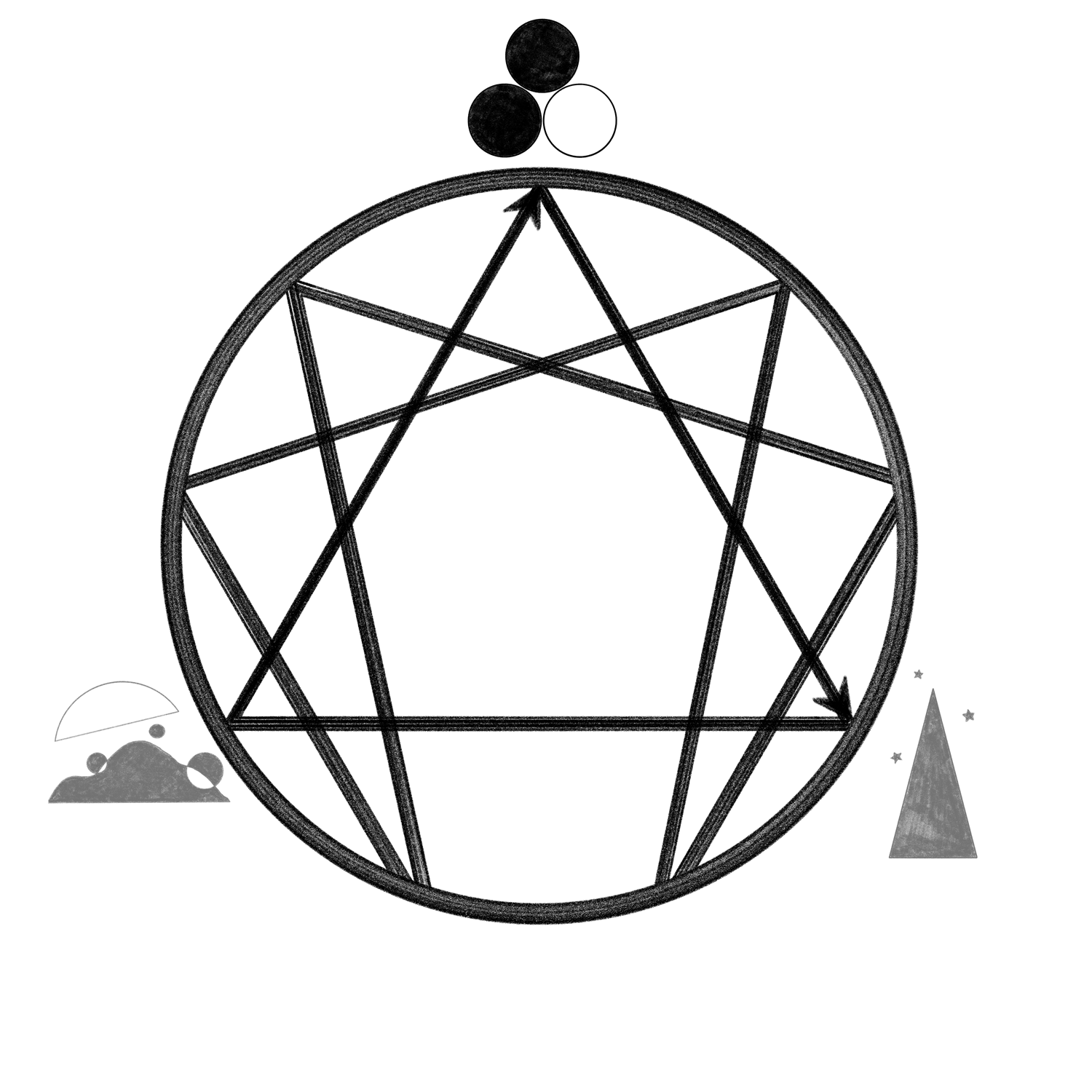
Toward Integration
(The Movement Toward Type Three)
When Type Nine is grounded, their energy awakens. Their focus sharpens. A sense of purpose begins to rise from within. They feel connected to their own voice, their own direction, and their own momentum. Instead of drifting into the background, they step forward with clarity.
In this integrated place, Nines access confidence. They move with intention. They value their priorities as much as they value the peace of others. Their natural calm remains, but it carries strength instead of passivity. Their presence becomes engaged and vibrant.
Signs of healthy integration include:
This movement toward Three does not diminish their gentleness. It strengthens it. Their peace becomes active rather than passive, and their calm becomes leadership rather than withdrawal.
When Type Nine is grounded, their energy awakens. Their focus sharpens. A sense of purpose begins to rise from within. They feel connected to their own voice, their own direction, and their own momentum. Instead of drifting into the background, they step forward with clarity.
In this integrated place, Nines access confidence. They move with intention. They value their priorities as much as they value the peace of others. Their natural calm remains, but it carries strength instead of passivity. Their presence becomes engaged and vibrant.
Signs of healthy integration include:
- Clear articulation of needs and desires
- Steady motivation and follow through
- Confidence in decisions
- Greater visibility in relationships and work
- Willingness to take initiative
- Sense of purpose that feels personal and grounded
- Energy that flows outward rather than collapsing inward
This movement toward Three does not diminish their gentleness. It strengthens it. Their peace becomes active rather than passive, and their calm becomes leadership rather than withdrawal.
Under Stress
(The Movement Toward Type Six)
When pressure rises or harmony feels threatened, Nines may shift into worry and doubt. Their quiet confidence becomes clouded. Their mind grows more restless. They may anticipate conflict or feel unsure of their ability to handle what is coming.
In this state, Nines begin scanning for reassurance or guidance. They may question their decisions or second guess themselves. Their attention shifts from calm connection to internal worry.
Signs of stress movement include
This movement reveals how deeply Nines care about staying connected and safe. Beneath their stillness, they often hold unspoken fears about disruption and disapproval.
When pressure rises or harmony feels threatened, Nines may shift into worry and doubt. Their quiet confidence becomes clouded. Their mind grows more restless. They may anticipate conflict or feel unsure of their ability to handle what is coming.
In this state, Nines begin scanning for reassurance or guidance. They may question their decisions or second guess themselves. Their attention shifts from calm connection to internal worry.
Signs of stress movement include
- Increased anxiety or hesitation
- Heightened sensitivity to tension
- Difficulty making decisions
- Seeking reassurance from trusted people
- Feeling disconnected from inner strength
- Worrying about disappointing others
- Quiet agitation that replaces their usual calm
This movement reveals how deeply Nines care about staying connected and safe. Beneath their stillness, they often hold unspoken fears about disruption and disapproval.
The Growth Invitation
The central invitation for Type Nine is participation. To step forward rather than fade back. To
engage even when conflict feels uncomfortable. To trust that their voice matters in every space
they enter.
Growth becomes possible when they:
When Nines embrace this path, they become grounded leaders, compassionate companions, and steady, creative forces in their communities. Their presence remains calm, but it becomes empowered. Their voice becomes clear. Their life becomes filled with direction and purpose.
Growth becomes possible when they:
- Notice the moment they begin withdrawing or numbing
- Practice expressing small preferences throughout the day
- Allow discomfort without immediately trying to smooth it over
- Observe where they merge with others instead of standing in themselves
- Take one step toward a personal goal without waiting for perfect conditions
- Create rhythms that awaken energy instead of preserving inertia
- Remember that harmony grows from truth, not disappearance
When Nines embrace this path, they become grounded leaders, compassionate companions, and steady, creative forces in their communities. Their presence remains calm, but it becomes empowered. Their voice becomes clear. Their life becomes filled with direction and purpose.
Centers and Stances
Every Enneagram type is shaped by a primary center of intelligence that guides their perception
and response to life. For Type Nine, that center is the Instinctual Center, which influences how
they engage with their environment, how they manage tension, and how they seek inner steadiness.
Understanding this center, along with their stance and harmonic group, reveals the deeper
structure behind their calm and their passivity.
Center of Intelligence:
The Instinctual Center
The Instinctual Center
(The Body, The Realm of Inner Stability, The Drive for Harmony)
Type Nine leads with instinct, though it often appears softer or more subdued than in other instinctual types. Their body senses tension quickly, and their instinctive response is to keep things calm. They move toward what feels steady and pull away from what feels disruptive.
This center gives Nines:
When Nines are present and connected, their instinct becomes a source of quiet strength. They create stability without effort. Their presence feels grounding, and their intuition helps them sense what is needed for true peace, not only surface harmony.
When they drift away from presence, instinct collapses inward. Their energy numbs. Their awareness dims. They fall into habitual routines or comfort behaviors that keep life predictable but not necessarily fulfilling.
ecognizing this center helps Nines understand that grounding does not mean disappearing. Peace grows when they stay present to themselves.
Type Nine leads with instinct, though it often appears softer or more subdued than in other instinctual types. Their body senses tension quickly, and their instinctive response is to keep things calm. They move toward what feels steady and pull away from what feels disruptive.
This center gives Nines:
- An intuitive awareness of relational dynamics
- A physical sensitivity to tension or conflict
- A desire for environments that feel steady and predictable
- A natural ability to ground others
- An instinct to merge with what feels familiar or comfortable
When Nines are present and connected, their instinct becomes a source of quiet strength. They create stability without effort. Their presence feels grounding, and their intuition helps them sense what is needed for true peace, not only surface harmony.
When they drift away from presence, instinct collapses inward. Their energy numbs. Their awareness dims. They fall into habitual routines or comfort behaviors that keep life predictable but not necessarily fulfilling.
ecognizing this center helps Nines understand that grounding does not mean disappearing. Peace grows when they stay present to themselves.
Hornevian Stance:
The Withdrawn Stance
The Withdrawn Stance
(How They Move Toward the World)
Type Nine belongs to the Withdrawn Stance, which means they often pull inward to find equilibrium. They retreat into their inner world when life feels overwhelming, and they preserve their energy by stepping back rather than stepping forward.
This stance expresses itself through:
Withdrawal is not disengagement. For Nines, it is a way to stay safe and maintain balance. It allows them to process quietly, to take in information from a distance, and to remain calm.
When this stance becomes overexpressed, they may lose contact with their own desires, retreat into routine, or wait for life to happen rather than shaping it.
Understanding this stance helps Nines reconnect with agency, direction, and the courage to step forward.
Type Nine belongs to the Withdrawn Stance, which means they often pull inward to find equilibrium. They retreat into their inner world when life feels overwhelming, and they preserve their energy by stepping back rather than stepping forward.
This stance expresses itself through:
- Preference for internal reflection over immediate action
- Pulling away from conflict or pressure
- Quiet retreat when life becomes emotionally intense
- A tendency to observe rather than initiate
- Difficulty asserting needs when tension arises
Withdrawal is not disengagement. For Nines, it is a way to stay safe and maintain balance. It allows them to process quietly, to take in information from a distance, and to remain calm.
When this stance becomes overexpressed, they may lose contact with their own desires, retreat into routine, or wait for life to happen rather than shaping it.
Understanding this stance helps Nines reconnect with agency, direction, and the courage to step forward.
Harmonic Group:
The Positive Outlook Group
The Positive Outlook Group
(How They Cope with Difficulty)
Type Nine belongs to the Positive Outlook Group, alongside Types Two and Seven. This group manages difficulty by focusing on what is comfortable, hopeful, or undemanding. They try to maintain an inner sense of ease even when life becomes complicated.
For Nines, this looks like:
This coping style offers resilience. It helps Nines stay balanced in situations that overwhelm others. But it also keeps them from addressing issues that require honest engagement.
Balanced, this style brings warmth and acceptance.Unbalanced, it becomes avoidance that silences their own voice.
Type Nine belongs to the Positive Outlook Group, alongside Types Two and Seven. This group manages difficulty by focusing on what is comfortable, hopeful, or undemanding. They try to maintain an inner sense of ease even when life becomes complicated.
For Nines, this looks like:
- Minimizing problems to avoid internal disruption
- Reframing situations as “not a big deal”
- Distracting themselves through comfort or routine
- Avoiding confrontation to preserve peace
- Focusing on what feels calm rather than what needs attention
- Numbing strong emotions to stay steady
This coping style offers resilience. It helps Nines stay balanced in situations that overwhelm others. But it also keeps them from addressing issues that require honest engagement.
Balanced, this style brings warmth and acceptance.Unbalanced, it becomes avoidance that silences their own voice.
Where the Three Layers Converge
The Instinctual Center grounds their desire for stability. The Withdrawn Stance pulls them
inward when life feels demanding.The Positive Outlook Group maintains comfort and ease.
Together, these layers shape the posture of Type Nine:
This combination explains why Nines often become mediators, peacemakers, and steady companions. Their presence dissolves tension. Their empathy bridges differences. Their calm steadies relationships and environments.
Together, these layers shape the posture of Type Nine:
- Quietly grounded
- Emotionally soft and accommodating
- Oriented toward peace and connection
This combination explains why Nines often become mediators, peacemakers, and steady companions. Their presence dissolves tension. Their empathy bridges differences. Their calm steadies relationships and environments.
Levels of Development
Every Enneagram type shifts in expression depending on inner balance, emotional presence, and
connection to personal agency. For Type Nine, these levels illuminate the movement from peaceful
clarity to passive detachment, and from gentle strength to quiet withdrawal. Understanding these
levels helps Nines recognize when they are living fully and when they are fading from
themselves.
Healthy Awareness
At this level, Type Nine is steady, present, and engaged. Their calm is alive rather than
numbing. They express themselves clearly and gently, and their desire for harmony includes their
own needs, not just the needs of others.
Signs of healthy functioning include:
In this state, Nines offer grounded wisdom. Their presence feels like quiet leadership. Their voice is soft but confident, and their relationships deepen through authenticity.
Signs of healthy functioning include:
- Strong connection to personal desires and values
- Active engagement with decisions and goals
- Openness to honest conversation, even when uncomfortable
- Steady presence that brings peace without losing individuality
- Ability to assert boundaries with clarity
- Consistent follow through
- A sense of inner wholeness that does not depend on external ease
In this state, Nines offer grounded wisdom. Their presence feels like quiet leadership. Their voice is soft but confident, and their relationships deepen through authenticity.
Adaptive Patterning
Here, Nines begin to soften their edges too much. Their connection to themselves becomes hazy.
They move through routines without full awareness. They try to maintain peace by yielding,
minimizing, or avoiding tension.
Signs of adaptive patterning include:
This level appears when life feels demanding or when internal pressure rises. It signals that a Nine is preserving peace at the cost of presence.
Signs of adaptive patterning include:
- Discomfort with expressing preferences
- Difficulty initiating action
- Increased tendency to go along with others
- Avoidance of conflict or confrontation
- Numbing through familiar comforts or distractions
- Foggy or unclear sense of personal direction
- Losing focus or forgetting tasks
This level appears when life feels demanding or when internal pressure rises. It signals that a Nine is preserving peace at the cost of presence.
Reactive Loop
When stress intensifies, Type Nine may retreat further into disconnection. Their energy
collapses. Their voice fades. They detach emotionally to avoid feeling overwhelmed. Instead of
engaging, they shut down in quiet frustration or withdrawal.
Signs of a reactive loop include:
In this state, Nines may feel powerless or unseen, yet they struggle to speak up or advocate for themselves. Their gentleness becomes self erasure.
Signs of a reactive loop include:
- Deep inertia or difficulty initiating anything
- Silent resentment that remains unexpressed
- Complete avoidance of conflict or important conversations
- Emotional numbing or shut down
- Feeling invisible or dismissed
- Internal pressure with no clear outlet
- Dissolving into distractions or repetitive comforts
In this state, Nines may feel powerless or unseen, yet they struggle to speak up or advocate for themselves. Their gentleness becomes self erasure.
How These Levels Guide Growth
These levels reveal how Type Nine’s pursuit of harmony shifts depending on their inner presence.
They show the line between peacefulness and passivity, and between calm and emotional
withdrawal.
Awareness helps them recognize when comfort is becoming avoidance. Compassion supports them as they reconnect with their desires. Presence grounds them in the truth that their voice enriches the world.
These levels offer Nines a map back to themselves. Each shift reminds them that their peace is most powerful when it includes their full presence.
Awareness helps them recognize when comfort is becoming avoidance. Compassion supports them as they reconnect with their desires. Presence grounds them in the truth that their voice enriches the world.
These levels offer Nines a map back to themselves. Each shift reminds them that their peace is most powerful when it includes their full presence.
Reflections and Practices
This section gives Type Nine gentle, grounded ways to reconnect with themselves. It encourages
presence, clarity, and engagement without rushing or overwhelming.
Reflection
Where in life do they tend to slip into the background. What desires or preferences have they
ignored to keep peace. How often do they choose comfort over clarity. Which relationships
support their voice, and which ones silence it. What would change if they expressed one honest
preference each day.
These questions help Nines explore the places where they disappear and the places where they want to reemerge. Reflection invites connection with their own inner life.
These questions help Nines explore the places where they disappear and the places where they want to reemerge. Reflection invites connection with their own inner life.
Practice
Choose one moment each day to name a preference out loud. It can be small. It can be simple. It
can be as ordinary as choosing a meal, a show, or a plan.
This practice strengthens the muscle of self expression, helping Nines remember that their voice matters.
Another practice:
These moments of awareness help Nines stay present in their physical experience instead of drifting into numbness or distraction.
This practice strengthens the muscle of self expression, helping Nines remember that their voice matters.
Another practice:
- Spend a few minutes each day checking in with the body.
- Notice the breath.
- Notice the posture.
- Notice where tension gathers when conflict or decision making arises.
These moments of awareness help Nines stay present in their physical experience instead of drifting into numbness or distraction.
Application
In relationships, Type Nine offers warmth, steadiness, and understanding. Their presence calms
others, and their empathy brings harmony. Growth comes when they trust that disagreements do not
rupture connection. Naming desires strengthens intimacy, and honest communication deepens trust.
At work, their ability to collaborate and mediate is invaluable. They create environments where people feel respected and heard. Balance appears when they practice initiative, communicate boundaries, and allow themselves to lead when they are capable and called.
In daily life, Nines flourish when they build gentle structure into their routines. Morning grounding. Clear priorities. Intentional moments of engagement. When they step forward instead of blending in, their life becomes richer, more purposeful, and more fully their own.
At work, their ability to collaborate and mediate is invaluable. They create environments where people feel respected and heard. Balance appears when they practice initiative, communicate boundaries, and allow themselves to lead when they are capable and called.
In daily life, Nines flourish when they build gentle structure into their routines. Morning grounding. Clear priorities. Intentional moments of engagement. When they step forward instead of blending in, their life becomes richer, more purposeful, and more fully their own.
Cultural Mirrors
Type Nine often recognizes themselves in figures who embody gentleness, empathy, steadiness, and
a quiet strength that emerges when needed. These mirrors are not literal typings. They are
reflections of qualities Nines understand deeply. Calm paired with courage. Softness paired with
resilience. Peace paired with quiet insight.
Fictional
- Groot (Guardians of the Galaxy) Quiet, kind, and stabilizing. His presence soothes the group, and his simple expressions communicate deep loyalty and peace.
- Paddington Bear Kind, gentle, and consistently hopeful. His presence brings warmth and harmony to everyone he meets.
- Paul Atreides (early Dune) Thoughtful, observant, and reluctant to impose his will. He listens deeply and acts with quiet intention until his purpose becomes clear.
- Baloo (The Jungle Book) Easygoing, comforting, and warm. His relaxed spirit reflects the Nine’s love of ease, while his loyalty shows their underlying strength.
Historical
- Mahatma Gandhi Peaceful, steady, and grounded in nonviolence. His influence came from calm conviction rather than force.
- Fred Rogers Gentle, empathic, and anchored in kindness. His presence made others feel seen, valued, and welcome.
- Jane Goodall Soft spoken, observant, and patient. Her calm persistence helped her change the world with quiet determination.
- Dalai Lama Warm, compassionate, and dedicated to inner peace. A global presence whose influence flows from gentleness.
Modern
- Keanu Reeves Reserved, humble, and respectful. His ease, kindness, and understated strength reflect core Nine qualities.
- Emma Watson Balanced, thoughtful, and grounded. She brings calm conviction to her advocacy and engagement.
- David Attenborough Gentle, observant, and soothing in presence. His voice and manner communicate peace and deep connection to the world.
- Kristen Bell Warm, relatable, and emotionally attuned. Her kindness and honesty create a sense of connection and ease.
These figures reflect the Nine’s essence. Peaceful. Kind. Patient. Capable of profound influence
without demanding attention. Their stories remind Nines that gentleness is powerful when paired
with clarity and presence.
Closing Reflection
Type Nine carries a quiet power that often goes unnoticed, even by themselves. Their presence
brings calm to restless hearts and steadiness to scattered moments. They listen deeply. They
care without needing recognition. They soften tension simply by entering a room. Their gift is
peace, offered without pretense.
Their gentleness is real. Their empathy is deep. Their ability to hold space is rare. Yet their growth begins when they remember that peace is not maintained by disappearing. It grows when they honor their own desires. It strengthens when they allow their voice to be heard.
It deepens when they engage rather than withdraw. Their presence matters, not because they smooth the edges of others, but because they carry their own truth with quiet courage.
When Nines trust that their perspective has value, their life expands. Their energy rises. Their confidence awakens. Their relationships become more mutual, and their decisions become more purposeful. They learn that connection does not require self erasure and that harmony built on honesty is stronger than harmony built on avoidance.
The world benefits from their calm and compassion. Their own heart benefits when they choose engagement over retreat. They shine brightest when they bring both peace and presence into the moments that matter.
Know yourself.
Understand others.
Live with peace.
Their gentleness is real. Their empathy is deep. Their ability to hold space is rare. Yet their growth begins when they remember that peace is not maintained by disappearing. It grows when they honor their own desires. It strengthens when they allow their voice to be heard.
It deepens when they engage rather than withdraw. Their presence matters, not because they smooth the edges of others, but because they carry their own truth with quiet courage.
When Nines trust that their perspective has value, their life expands. Their energy rises. Their confidence awakens. Their relationships become more mutual, and their decisions become more purposeful. They learn that connection does not require self erasure and that harmony built on honesty is stronger than harmony built on avoidance.
The world benefits from their calm and compassion. Their own heart benefits when they choose engagement over retreat. They shine brightest when they bring both peace and presence into the moments that matter.
Know yourself.
Understand others.
Live with peace.